United by Energy. Empowered by Community.
Stronger Together, Always
💜 What is SPN Aura?
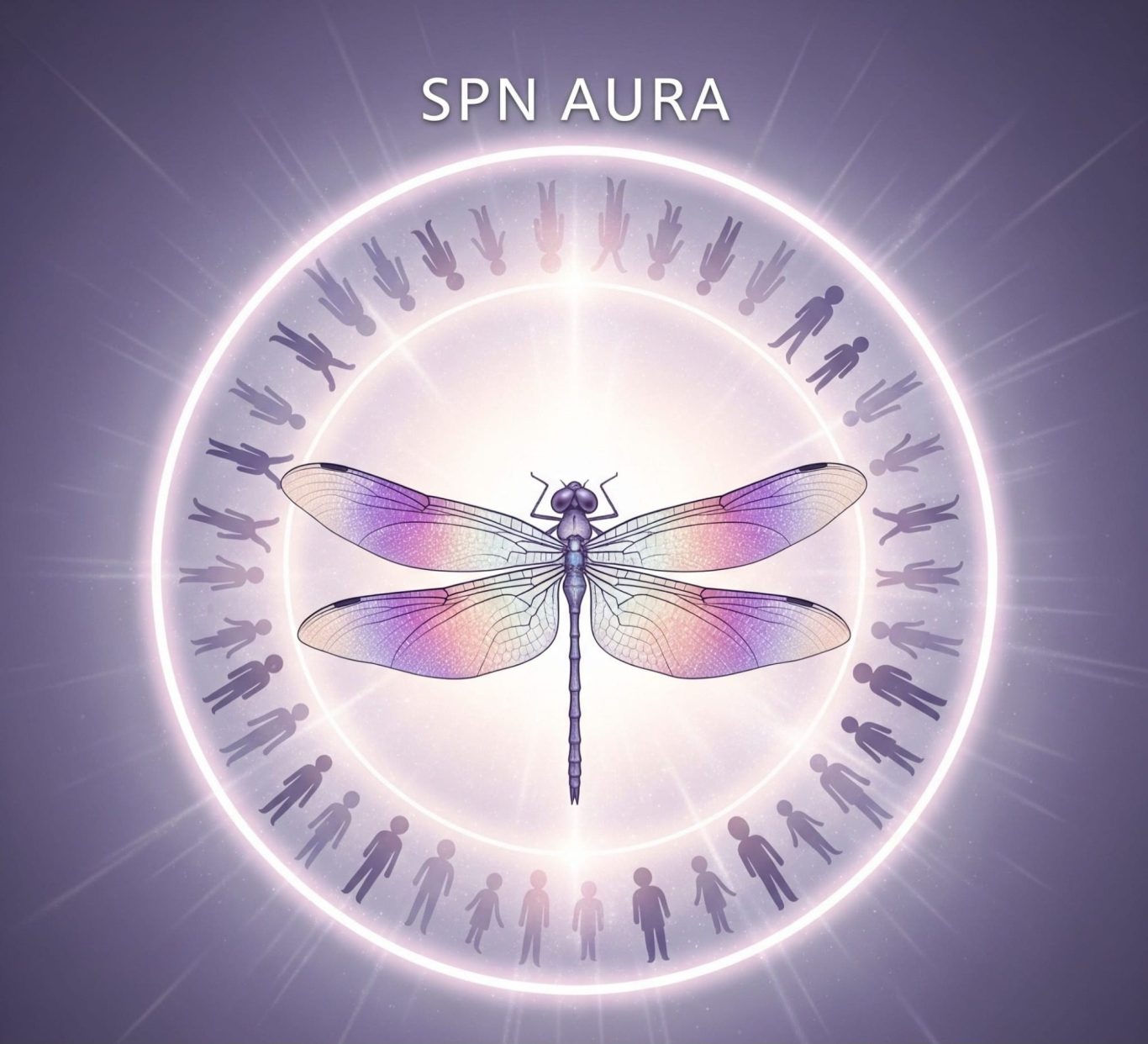
SPN Aura is the invisible energy that unites, uplifts, and empowers the people of Sheppey and Swale.
It’s more than a service — it’s a living, breathing force shaped by our shared hopes, struggles, and triumphs. SPN Aura reflects the heartbeat of our island and coastal communities, where well-being grows through connection, compassion, and belonging.
🌈 It means:
A glow of support that surrounds every person, no matter their journey
A network of care powered by local voices, lived experience, and mutual aid
A transformative spark — symbolised by the dragonfly’s wings — that inspires freedom, resilience, and hope
Within SPN Aura, well-being isn’t something found in waiting rooms — it lives in the everyday moments of kindness, courage, and community spirit.
🌟 A Circle of Inclusion
SPN Aura embraces and uplifts the incredible network of small grassroots charities that form the backbone of our communities. Every organisation — no matter how small — shines its own unique light, enriching the shared tapestry of care across Sheppey and Swale.
Together, we create a space where:
✨ Every voice is heard and valued
✨ Every effort, big or small, helps weave stronger connections
✨ Collaboration replaces competition as we unite for collective well-being
SPN Aura isn’t one organisation — it’s all of us — linked by compassion, powered by cooperation, and guided by the belief that we are stronger together.
Stronger Connections, Shared Purpose
Join a growing circle of local organisations working side by side — where collaboration, not competition, builds a healthier, more resilient Sheppey and Swale.
Together, We Amplify Every Act of Kindness
By uniting our strengths, small charities and community groups can create greater impact, reaching more people and lighting the way for lasting change.
Mind, Mood & Wellbeing
Helping you feel more like you again.
Positive Mental Health Guide – Empowering Self‑help With Local Support In Kent
A Positive Mental Health Guide
You Are Not Alone
Important note: This guide has not been written by a mental health professional. It is based on lived experience and personal understanding of mental health challenges and recovery. Its purpose is to gently guide, reassure, and share what many people have found helpful in everyday life. It should not replace professional advice, diagnosis, or treatment. Mental health is something we all have, and it can change over time. This guide is designed to empower you with self‑help tools while also showing how local support in Kent can strengthen your wellbeing when you need it. Seeking help is a sign of strength, and combining personal strategies with community support often leads to the best outcomes.
Mental Health in Everyday Life
Mental health is influenced by the small, everyday experiences we often overlook. How we feel mentally can be affected by:
Work or education pressures
Financial worries or housing concerns
Relationships with family, friends, or partners
Loneliness or lack of connection
Physical health conditions or chronic pain
Social media and news consumption
Sleep patterns and fatigue
Life changes such as bereavement, parenthood, or moving home
These everyday factors can build up over time. Recognising their impact is an important first step toward understanding your own mental wellbeing.
The Importance of Self‑Help Tools
Self‑help tools put control and understanding back in your hands. They can be used daily, at your own pace, and often prevent difficulties from becoming overwhelming.
Benefits of Self‑Help
Builds confidence and self‑awareness
Encourages independence and resilience
Helps manage stress before it escalates
Can be used alongside professional support
Practical Self‑Help Strategies
1. Mindfulness and Breathing
Simple breathing exercises, grounding techniques, or short mindfulness sessions can reduce anxiety and calm the nervous system.
2. Routine and Balance
Maintaining regular sleep, meals, movement, and rest provides stability and supports emotional regulation.
3. Physical Activity
Even gentle movement like walking can improve mood and reduce stress.
4. Journaling and Reflection
Writing thoughts down can help process emotions and identify patterns or triggers.
5. Self‑Compassion
Treat yourself with the same kindness you would offer a friend. Progress does not require perfection.
6. Digital Tools
Wellbeing apps, mood trackers, and guided meditations can offer structure and support between other forms of help.
When Self‑Help Isn’t Enough
Self‑help is powerful, but it is not a replacement for human connection or professional care. Reaching out for support can provide reassurance, guidance, and safety.
Using self‑help tools alongside local services can help you feel supported while continuing to build your own coping skills.
Mental Health Support in Kent
If you live in Kent, there are a range of services available to support your mental wellbeing:
NHS and Statutory Support
GP Services – Your GP can be a first point of contact for mental health concerns and referrals.
NHS Kent & Medway Mental Health Services – Provides community mental health support and talking therapies.
NHS 111 – For urgent mental health advice when it’s not an emergency.
Community and Voluntary Support
Mind in Kent & Medway – Offers information, guidance, wellbeing programmes, and crisis support.
Local Wellbeing Hubs – Many areas in Kent provide drop‑in or referral‑based wellbeing services.
Peer Support Groups – Connecting with others who have similar experiences can reduce isolation and increase hope.
Crisis Support
If you or someone else is in immediate danger:
Call 999
Contact Samaritans (24/7 listening support)
Use local NHS urgent mental health helplines
A Balanced Approach to Wellbeing
The most effective mental health care often comes from combining self‑help with external support. Self‑help tools help you grow and cope day‑to‑day, while local services in Kent are there to provide professional care when needed.
Remember:
You deserve support
Small steps matter
Help is available, both within you and around you!
This guide is shared from lived experience and is for support and information only. It does not replace professional medical advice, diagnosis, or treatment.
Food for thought- Be True to Yourself
Sometimes, without even realising it, we begin to adopt other people’s belief systems — their fears, limitations, expectations, or opinions. Over time, this can quietly shape how we see ourselves and the world around us, often impacting our mental health, confidence, and daily lives.
It’s important to pause and reflect on what truly belongs to you. Your values, your goals, your journey. You are not here to live by someone else’s standards or follow a path that doesn’t align with who you are becoming.
Believe in yourself, even when it feels difficult. Trust your intuition and have the courage to follow your own path. Growth isn’t always comfortable, but it is always meaningful. What is truly meant for you will never pass you by — it will meet you where you are, at the right time.
Give yourself permission to let go of what no longer serves you, protect your wellbeing, and move forward with confidence. You are allowed to choose yourself. You are allowed to evolve. Keep going — your journey matters. 💙
Start planning for the next year because if you dont you will be sitting in the exact same place in the exact same space. BE THE YOU - YOU WERE ALWAYS MEANT TO BE ❤️
Honour Your Truth

The Aura Guide
A place of Transformation
Self-Worth and Mental Health: Understanding Your Value
Self-worth and mental health are deeply connected. When we struggle with our mental wellbeing, it can quietly erode how we see ourselves. Anxiety may cause constant self-doubt, depression can distort our sense of value, and trauma or long-term stress can make us feel unworthy of care, rest, or understanding. These experiences do not define who you are — but they can strongly influence how you feel about yourself.
Many people living with mental health challenges carry an internal belief that they are a burden, not enough, or failing in some way. These thoughts are not facts; they are symptoms of distress. Mental health difficulties can change the way our minds process experiences, often amplifying negative self-talk and minimising our strengths. Recognising this is an important step toward rebuilding self-worth.
Healthy self-worth does not mean feeling confident all the time. It means understanding that your worth remains intact, even on difficult days. You are still deserving of support when you feel overwhelmed. You still matter when you are tired, struggling, or unsure. Recovery and wellbeing are not about “fixing” yourself — they are about learning how to care for yourself with compassion and patience.
Protecting your mental health often requires setting boundaries, challenging harmful beliefs, and giving yourself permission to rest and heal. It may mean asking for help, slowing down, or letting go of expectations that no longer serve you. These choices are not signs of weakness; they are acts of strength and self-respect.
At Sheppey Pulse Network, we recognise that rebuilding self-worth is a process, not a quick solution. Through connection, understanding, and community support, we aim to help individuals feel seen, heard, and valued. You are not defined by your struggles. Your experiences matter. Your wellbeing matters. And your life has value — exactly as it is.
Healing Begins Within

Where Gaming Meets Mental Health
Reality Gaming, Mental Health, and Young People
In recent years, digital gaming has evolved from a casual pastime into highly immersive experiences that can feel increasingly close to real life. This shift has happened alongside wider social changes, including increased boredom, growing pressure on young people, and the reduction of accessible youth services, community spaces, and structured recreational opportunities. With advances in graphics, virtual reality (VR), augmented reality (AR), and persistent online worlds, many modern games blur the boundary between the virtual and real world. For some young people, especially when gaming becomes intense or prolonged, these experiences can feel emotionally real and deeply personal. Gaming itself is not harmful, but when immersion becomes excessive, it can start to impact mental health and everyday functioning.
Adolescence is a critical period of development. During this time, the brain is still maturing, emotional regulation is developing, and young people are forming their identity and sense of self. Because of this, gaming can have a particularly strong psychological pull. Games don’t just offer entertainment; they offer structure, goals, rewards, identity, and connection. Young people may form attachments to avatars, storylines, and online communities. Success in a game can feel like real achievement, while failure can feel like genuine loss.
Several psychological processes help explain why gaming can begin to feel real. One is immersion, sometimes referred to as “presence,” where players feel mentally located inside the game world. Prolonged immersion can lead to dissociation, where the real world feels less vivid or engaging by comparison. Another factor is identification with avatars, where young people project parts of their identity onto their characters and link their self-worth to in-game status or ability. Many games also use reward systems such as levelling up, achievements, and virtual items, which stimulate dopamine release and reinforce repeated play.
Mental health plays a central role in how gaming is experienced and why it can become so meaningful. Gaming can regulate mood, reduce stress, and provide a sense of control when real life feels overwhelming. For young people dealing with anxiety, low mood, social pressure, or loneliness, gaming may become a way to feel calmer, safer, or more capable. Used in moderation, this can be helpful. When gaming becomes the primary or only way to cope, however, it can limit the development of real-world coping skills and increase emotional reliance on the virtual world.
For neurodivergent young people in particular, gaming can offer important benefits. Many experience sensory overload, social anxiety, or difficulty navigating unpredictable environments. Games provide structured worlds with clear rules, predictable outcomes, and the ability to engage at a comfortable pace. This sense of control and safety can support emotional regulation and reduce stress.
Cosy gaming highlights how gaming can positively support mental wellbeing. These games are typically low-pressure, non-competitive, and focused on creativity, routine, exploration, or gentle storytelling. With calming visuals, soothing sound design, and flexible goals, cosy games allow players to engage without fear of failure. For neurodivergent young people, cosy gaming can offer a safe space to decompress, manage anxiety, and recover from sensory or social overload. It can also support focus, emotional grounding, and a sense of achievement without overwhelm.
However, challenges arise when gaming becomes a primary coping strategy rather than one option among many. For some young people, gaming fills a gap created by boredom, limited opportunities, and the loss of youth clubs, after-school activities, and safe community spaces. While gaming can offer short-term relief from stress or discomfort, excessive gaming has been linked to sleep disruption, irritability, difficulty concentrating, and withdrawal from offline relationships. In more severe cases, it can contribute to symptoms of anxiety, depression, or gaming disorder, particularly when gaming interferes with education, responsibilities, or relationships.
Warning signs that gaming may be negatively affecting mental health include intense emotional reactions to in-game events that continue after logging off, neglect of basic needs such as sleep or hygiene, declining academic performance, social withdrawal, and strong distress when access to gaming is limited. These signs suggest the virtual world may be starting to take priority over real-life wellbeing and development.
It is important not to place responsibility solely on the individual young person. Problematic gaming is often discussed as a personal failure, but this overlooks wider systemic issues such as underfunded youth services, academic pressure, limited affordable activities, and a lack of safe community spaces. When meaningful alternatives are unavailable, gaming can become one of the few accessible sources of stimulation, achievement, and social connection. Addressing gaming-related mental health concerns therefore requires both individual support and broader societal responsibility.
What Can Help Young People
Supporting young people around gaming works best when the focus is on balance, understanding, and support rather than restriction or blame. Open, non-judgmental conversations about gaming allow young people to reflect on how it makes them feel without fear of criticism or punishment. Understanding why gaming matters to them is often more important than how much time they spend playing.
Practical tools can help maintain balance, including screen-time awareness, regular breaks, and agreed boundaries around gaming that are realistic and flexible. Psychological strategies such as mindfulness, grounding techniques, and talking through thoughts and emotions can support healthier emotional regulation. Encouraging a range of activities—such as sport, creative outlets, volunteering, or face-to-face social interaction—helps young people meet their emotional and social needs in different ways.
Family, schools, youth workers, and mental health professionals all play an important role. When excessive gaming is linked to deeper mental health challenges, professional support may be needed to address underlying anxiety, low mood, trauma, or social difficulties rather than focusing only on gaming behaviour. Early, compassionate intervention can prevent long-term difficulties.
Ultimately, gaming becomes a mental health concern when it replaces balance and begins to overshadow real-world development, relationships, and wellbeing. With understanding, appropriate support, and meaningful alternatives, young people can enjoy gaming—including immersive and cosy games—as a healthy part of their lives while staying grounded, supported, and connected to the world around them.
© Copyright Notice
© Sheppey Pulse Network. All rights reserved.
The Aura Guides and all related content are the intellectual property of Sheppey Pulse Network. These guides may not be copied, reproduced, republished, or distributed in whole or in part without prior written permission, except for personal, non-commercial use with clear credit to Sheppey Pulse Network.
Disclaimer
The Aura Guides are created to offer information, reflection, and practical self-help ideas based on lived experience, community insight, and trauma-aware understanding.
We are not trained medical, mental health, or clinical professionals, and these guides are not intended to diagnose, treat, cure, or prevent any condition. The content should not be used as a replacement for professional advice, assessment, or support.
If you are struggling with your mental health, experiencing distress, or feel unsafe, we strongly encourage you to seek support from a qualified healthcare professional or trusted support service.
A Gentle Note
These guides exist to reduce isolation, increase understanding, and empower individuals with knowledge and self-compassion. Take what feels helpful, leave what doesn’t, and remember—you don’t have to navigate things alone.
Why homelessness is a mental health issue — and why systems must do more
Homelessness is damaging, systems are failing, and positivity is a survival tool — not a solution.
Mental Health and Homelessness: Why Support Must Go Beyond Survival
Homelessness has a severe and long-term impact on mental health. The absence of safe, stable housing places individuals under continuous psychological strain, often leading to anxiety, depression, trauma responses, and emotional exhaustion. Living without security or routine forces people into survival mode, where basic needs take priority and mental wellbeing is pushed aside. Homelessness is not simply a housing issue — it is a significant mental health concern.
People experiencing homelessness are frequently exposed to instability, rejection, and fragmented systems of support. Long waiting times, complex eligibility criteria, service thresholds, and limited availability of resources can make accessing help extremely difficult. These barriers often result in repeated setbacks, reinforcing feelings of hopelessness, invisibility, and disconnection. Over time, individuals may internalise these experiences, believing they are personally at fault rather than recognising the wider systemic failures that contribute to and prolong homelessness.
The mental health impact of homelessness is compounded by prolonged uncertainty and lack of control. When individuals are unable to plan ahead or meet basic needs consistently, cognitive and emotional capacity is reduced. This can affect motivation, decision-making, emotional regulation, and engagement with services. These responses are not signs of disengagement or lack of willingness; they are natural psychological reactions to chronic stress, instability, and trauma.
Within this context, positive mental health strategies are not about denying reality or placing responsibility on the individual. They are protective tools that help reduce psychological harm while people navigate extremely challenging circumstances. Approaches that support emotional resilience, self-worth, and coping can help individuals remain engaged, maintain hope, and protect their mental health while structural solutions are pursued.
Positive mental health support may include helping individuals challenge self-blame, recognise personal strengths, and develop grounding techniques that reduce overwhelm. These strategies do not resolve homelessness, but they can support emotional stability, improve communication with services, and reduce the long-term mental health consequences associated with housing insecurity.
However, individual coping tools are not sufficient on their own. Addressing homelessness effectively requires coordinated, trauma-informed systems that prioritise prevention, rapid access to safe housing, and integrated mental health support. Investment in accessible housing pathways, early intervention, and joined-up services is essential to reduce harm and support long-term recovery. Without this, individuals are left managing the mental health impacts of homelessness with limited support.
Sheppey Pulse Network Charity works to bridge these gaps by recognising the connection between homelessness and mental health. Through wellbeing-focused signposting and partnership working with Hungry Hearts for the Homeless, individuals are supported to access housing advice, mental health services, addiction support, employment guidance, and community-based activities. Listening to lived experience and responding with compassion and clarity helps reduce isolation and ensures individuals are not navigating complex systems alone.
Mental health support within homelessness services should not be viewed as optional or secondary. It is a core component of effective intervention. Supporting emotional wellbeing alongside practical solutions improves engagement, reduces long-term costs, and supports more sustainable outcomes.
Homelessness is a preventable crisis with significant mental health consequences. Addressing it requires both structural change and compassionate, psychologically informed support. By investing in housing, mental health services, and community-based support, councils and funders can reduce harm, improve outcomes, and help individuals move beyond survival toward stability, dignity, and recovery.
When Survival Replaces Wellbeing
Resilience
Integrated Support and Mental Health Resources
Domestic Abuse (VAWG)
Support for Men and Women
Domestic abuse does not discriminate — it can affect anyone, regardless of gender, age, sexuality, or background. Abuse can be physical, emotional, psychological, financial, or coercive in nature. Mental and emotional abuse, often invisible, gradually erodes self-esteem, confidence, and mental wellbeing. Survivors may experience consistent criticism, belittling, gaslighting, monitoring, isolation, blame, and intimidation. These experiences are profoundly damaging, leaving lasting effects on identity, trust, and sense of safety.
It is essential to approach survivors with compassion, empathy, and respect, acknowledging both the courage it takes to seek help and the resilience inherent in their lived experience. Survivors are not defined by the abuse they have endured. Recovery does not mean denying harm or pretending it did not happen — it means reclaiming choice, dignity, safety, and self-worth while rebuilding life on their own terms.
Professional services in Kent offer support that blends evidence-based practice with lived-experience understanding, ensuring care is both effective and human-centred.
Support Services in Kent
Men’s Advice Line (Respect) – Confidential helpline and webchat for men experiencing domestic abuse.
Men Talk UK – Peer support for men to share experiences, receive guidance, and build emotional wellbeing.
Domestic Abuse Victim Empowerment Service for Men (DAVE) – IDVA support, safety planning, and practical assistance.
Look Ahead – Men’s Community Support / MIDAAS – Tailored advocacy for men and those identifying as men, helping navigate support pathways.
DAVSS (Domestic Abuse Volunteer Support Service) – Community-based support for all survivors, providing emotional support and practical advice.
Victim Support Kent (KIDAS) – Referrals, outreach, and advocacy to ensure survivors access appropriate help.
Nasty Gallery – Art-based advocacy and empowerment for women, using creative expression to rebuild identity and voice.
National Helplines and Specialist Support – Including Refuge and LGBT+ tailored services, ensuring inclusive, expert assistance.
Mental Health Impact of Domestic Abuse
Domestic abuse often leads to significant mental health challenges, including anxiety, depression, post-traumatic stress, emotional numbness, hypervigilance, and difficulties with trust or self-esteem. Survivors may struggle with guilt, shame, or self-doubt long after abuse ends. These responses are normal trauma reactions, not signs of weakness, and addressing mental health is essential to recovery.
Coping Strategies and Helpful Tools
Restoring wellbeing after domestic abuse requires practical strategies, emotional resilience, and access to supportive networks. These tools empower survivors to reclaim control while protecting mental health and encouraging sustainable recovery.
Emotional Strategies:
Journaling and Reflection – Processing thoughts and feelings privately helps survivors make sense of experiences and track progress.
Mindfulness and Grounding – Techniques like deep breathing, meditation, or sensory awareness reduce anxiety and restore calm.
Positive Self-Talk – Reframing internal narratives strengthens self-esteem and counters the effects of mental abuse.
Emotional Regulation – Identifying triggers and practising strategies to manage distress supports stability and confidence.
Practical Tools:
Safety Planning – Preparing for emergencies and establishing secure spaces enhances personal security.
Routine and Structure – Creating predictable daily patterns brings stability and reduces stress.
Boundaries and Assertiveness – Clearly communicating limits helps survivors reclaim agency.
Trigger Management – Recognising and mitigating personal triggers prevents relapse into stressful situations.
Support Networks:
Peer Support – Groups such as Men Talk UK or women-focused community networks provide understanding, validation, and shared strategies.
Professional Therapy and Counselling – Accessing trained practitioners ensures evidence-based, trauma-informed support.
Creative Expression – Engaging in art, writing, or other creative outlets allows survivors to process emotions and rebuild identity.
Moving Beyond Survival
While immediate coping strategies are essential, long-term recovery involves moving beyond survival mode. This may include rebuilding identity, restoring confidence, setting healthy boundaries, and reconnecting with purpose. Survivors should never be rushed to “move on,” but with the right support, many are able to transition from surviving abuse to living with greater autonomy, resilience, and emotional safety.
Positive mental health tools are coping mechanisms, not replacements for structural support. Recovery is most sustainable when survivors have access to:
Safe, stable housing
Integrated mental health services
Consistent, trauma-informed advocacy
Opportunities to reconnect with community, work, or creative outlets
Recommendations for Councils, Funders, and Partners
Invest in Integrated Support Services – Fund trauma-informed programs that combine safety, mental health, advocacy, and practical assistance.
Ensure Inclusivity – Services must be accessible to men, women, LGBT+ survivors, and neurodivergent individuals.
Strengthen Peer Networks – Peer-led groups and community initiatives improve engagement and provide validation outside formal services.
Prioritise Mental Health Access – Counselling, therapy, and crisis support should be embedded in domestic abuse provision.
Promote Survivor Empowerment – Emphasise agency, choice, and rebuilding identity rather than only safety or crisis response.
Monitor Outcomes – Track both practical recovery and mental health wellbeing to ensure holistic support.
A Positive Note: Hope and Recovery
Recovery from domestic abuse is a journey, and every step forward matters. With the right support, survivors can rebuild confidence, restore emotional wellbeing, and reclaim control over their lives. Small daily actions — seeking help, connecting with supportive networks, practising self-care, or exploring creative outlets — can create meaningful momentum.
While abuse leaves lasting effects, it does not define the individual. Survivors possess resilience, strength, and the capacity to thrive. By combining practical support, mental health tools, and compassionate guidance, survivors can move from surviving abuse to living with purpose, safety, and hope.
No one has to navigate this journey alone — help, understanding, and resources are available to empower every survivor toward a life beyond abuse.
Addiction, Recovery, and Positive Tools
Addiction is a complex condition that affects mental, emotional, and physical health. It can involve substances such as drugs or alcohol, as well as behaviours including gambling or digital addiction. Addiction often develops as a way of coping with pain, trauma, stress, or unmet needs, and over time it can take control of thoughts, emotions, and daily routines.
Addiction often co-occurs with mental health challenges such as anxiety, depression, trauma responses, or difficulties with emotional regulation. These can both contribute to and result from addictive behaviours, making integrated mental health support essential for recovery. The negative impacts of addiction are significant—damaging relationships, self-esteem, health, and stability—but recovery is possible, and many people go on to build meaningful, fulfilling lives.
Professional Support
Professional support plays a vital role in recovery. Trained professionals such as therapists, counsellors, key workers, and support staff bring knowledge, structure, and evidence-based approaches that help individuals understand their addiction. Therapies such as cognitive behavioural therapy (CBT), trauma-informed therapy, and motivational interviewing help people explore the root causes of addiction, recognise unhelpful patterns, and develop healthier coping strategies. Professionals also provide safe, non-judgmental spaces where individuals can talk openly, often for the first time, about their experiences.
The most effective recovery approaches combine professional guidance, peer support, community networks, and self-help strategies. While therapists and counsellors provide evidence-based interventions and safety, peers with lived experience offer relatable insights, hope, and practical encouragement. Community groups, online forums, and support networks extend connection beyond formal settings, reducing isolation and reinforcing accountability.
The Role of Lived Experience
Alongside professional therapy, lived experience plays a crucial role in recovery. Recovery often becomes real when someone hears their own thoughts and struggles reflected back by another person who has walked the same path. People with lived experience offer unique guidance, relatability, and hope. Hearing from someone who has “been there” can reduce shame, isolation, and reinforce the message that recovery is possible, even after repeated struggles.
Peer support and lived experience input help individuals feel understood in ways that clinical language sometimes cannot. These connections provide practical insights, coping strategies, and encouragement based on real-life experience, motivating change and sustaining engagement with services.
Practical Recovery Tools (Professional and Lived Experience-Informed)
Recovery is strengthened by a combination of practical tools, professional guidance, and peer support.
Common strategies include:
Routine and Structure – Creating a daily routine helps reduce chaos and boredom, which are common triggers for relapse. Regular meals, sleep times, and planned activities create stability.
Trigger Awareness – Identifying people, places, emotions, or situations that increase risk allows individuals to prepare and respond differently.
Grounding Techniques – Breathing exercises, physical movement, cold water, or naming things you can see and feel help bring focus back to the present moment during cravings or anxiety.
Urge Surfing – Learning that cravings rise and fall like waves helps people sit with discomfort without acting on it.
Replacing Behaviours – Swapping harmful habits for safer alternatives, such as walking, calling someone, journaling, or creative outlets.
Peer Connection – Talking to someone with lived experience who understands addiction reduces shame and reinforces accountability.
Self-Compassion – Accepting that setbacks can happen and using them as learning experiences rather than reasons to give up.
Setbacks and relapse are normal parts of recovery. Each experience provides insight into triggers, coping strategies, and resilience, helping individuals strengthen their recovery over time. Recovery is rarely linear, and progress is measured by continued effort, self-awareness, and persistence rather than perfection.
Addiction does not discriminate — it can affect anyone, regardless of age, gender, culture, sexuality, or neurodivergence. Recovery services must be inclusive, culturally sensitive, and adaptable to meet diverse needs. Inclusive support ensures everyone feels seen, understood, and safe when seeking help.
Empowering actions people can take themselves
Daily Wellness Practices – Small, achievable steps like journaling, meditation, or mindful movement support consistent emotional regulation.
Trigger Management & Planning – Recognising triggers and planning coping strategies empowers individuals to respond proactively, rather than reactively.
Goal Setting & Reflection – Setting realistic, incremental goals encourages progress, reinforces self-efficacy, and builds confidence over time.
Creative Expression – Art, music, writing, or physical activity helps process emotions and reduces the urge to return to addictive behaviours.
Digital and community resources
Many people use online tools or apps as part of recovery. Mentioning these demonstrates modern, accessible support:
Digital tools, such as recovery apps, online support forums, and mindfulness platforms, can complement in-person services. They provide flexible, accessible options for individuals who may face barriers to attending face-to-face sessions, and can reinforce skills learned in therapy or peer support groups.
Accessibility and equity
Acknowledging structural barriers strengthens your section for councils and funders:
Access to addiction support can be limited by location, finances, mobility, or social stigma. Ensuring equitable access through outreach, flexible services, and low-barrier entry points is essential to reaching everyone in need.
Three core pillars of recovery support:
The Recovery Toolkit
Professional Help – Therapy, counselling, and evidence-based interventions.
Peer & Community Support – Lived experience, support groups, mentoring, and community networks.
Self-Help & Daily Strategies – Routine, mindfulness, creative expression, trigger management, and goal setting.
A Positive, Empowering Note
Recovery is a journey, not a destination. With professional guidance, practical tools, and the support of peers who understand the experience, individuals affected by addiction can rebuild their lives, restore confidence, and create a future filled with choice, resilience, and hope. Every step forward, no matter how small, is progress.
By combining evidence-based support, lived experience, and practical strategies, recovery becomes not just possible, but sustainable. Individuals can regain control, strengthen wellbeing, and move toward healthier and more fulfilling lives.
Unchained

ASD and PTSD: Similar on the Surface, Different at the Core
This section of The Aura Guide is here to offer understanding, reassurance, and practical support around Autism Spectrum Disorder (ASD) and Post-Traumatic Stress Disorder (PTSD).
We are not medical professionals, and this is not a diagnostic tool. Instead, this guide is based on lived experience, community insight, and trauma-aware understanding — created to help things make a little more sense and to remind you that you’re not alone.
Sometimes ASD and PTSD can look very similar from the outside. When you understand why certain reactions happen, it becomes easier to meet yourself (or others) with patience, compassion, and care.
If you’re reading this and recognising yourself or someone you care about, take a moment to pause. There’s no pressure to relate to everything here. You don’t need to figure it all out at once. This guide is here for understanding — not answers, labels, or judgement.
The Shared Landscape
Both ASD and PTSD involve a nervous system that works overtime to keep you safe. When the world feels loud, fast, or unpredictable, the body stays on high alert.
Where They Can Look Similar
Heightened Sensitivity
Sounds, lights, textures, or busy spaces may feel overwhelming because the brain is processing a lot at once.
Pulling Away From People
Autistic people may step back because social situations are confusing or draining. People with PTSD may step back because they don’t feel safe. The behaviour can look the same — the reason is different.
Meltdowns or Shutdowns
When there’s too much going on, emotions may spill out or everything may go quiet. This isn’t bad behaviour — it’s overload.
Needing Routine
Predictability helps calm the nervous system. Routine creates stability, safety, and breathing room.
Important to remember: similar behaviours don’t always come from the same place.
Understanding the Differences (Simply)
One helpful way to tell the difference between ASD and PTSD is by looking at when it started and what the behaviour is trying to do.
ASD
PTSD
When it starts
Present from early life
Begins after traumatic experiences
Social difficulties
Social cues can be confusing
Trust and safety feel difficult
Repeating behaviours
Calming and regulating (stimming)
Checking for safety or replaying trauma
Memories
Can dwell on upsetting events
Flashbacks or intrusive memories
Neither experience is wrong. Both are ways the brain has learned to cope.
This guide isn’t here to tell you what you are. It’s here to help you understand why things might feel the way they do — and how to respond with more kindness and support.
🌱 A Gentle Reflection
You might relate to this section if you often:
Feel overwhelmed by noise, change, or busy environments
Need time alone to recover after social situations
Feel like your reactions are “too much” for the world around you
Rely on routines to feel calm or steady
None of this means anything is “wrong” with you. These are signs of a nervous system trying to protect itself.
When ASD and PTSD Overlap
Many autistic people also live with PTSD. Because autistic nervous systems often feel things more intensely, experiences that others might brush off can feel deeply distressing.
This might include:
Ongoing bullying or exclusion
Sudden changes or loss of routine
Sensory overwhelm with no escape
The Aura Insight
When someone has both ASD and PTSD, sensitivities may increase and coping can feel harder. This isn’t going backwards — it’s the nervous system asking for safety and support.
Regulation Comes First
Before trying to “figure things out,” the body needs to feel safe.
Regulate first. Process later.
When the nervous system is calmer, everything else becomes more possible.
Gentle Support Ideas
Create Safety
Lower expectations. Reduce noise, bright lights, and pressure where possible.
Use Visual Support
Written plans, lists, or visual schedules can reduce anxiety about what’s coming next.
Look for the Reason Behind Behaviour
Ask: Is this helping the body calm down, or trying to stay safe?
**Seek Neuro
PTSD, Soldiers, and Shared Nervous System Responses
PTSD is often discussed in relation to soldiers and veterans, where constant exposure to danger trains the nervous system to stay alert long after the threat has passed. Sounds like sudden bangs, raised voices, or crowded spaces can trigger intense reactions because the body has learned that staying ready is how you survive. Interestingly, many of these responses can look very similar to those seen in autistic people — such as heightened sensitivity, scanning environments for safety, needing clear routines, or becoming overwhelmed in unpredictable situations. While the reasons behind these reactions are different, the nervous system response is strikingly alike: both are doing their best to protect the person. Recognising this shared survival response can help shift understanding away from judgement and towards compassion.
Many people first hear about PTSD in soldiers, where repeated exposure to life-threatening situations teaches the nervous system to stay in “survival mode” long after danger has passed. The body stays on alert so it can protect itself — a response that can show up as jumpiness, scanning the environment, or avoidance of social situations. While the cause in soldiers is very different from autism, many of the nervous system responses — like heightened sensitivity, overwhelm, or needing predictability — can feel familiar to autistic people too. Understanding this shared survival response can help you see behaviours as protection rather than “dysfunction.” This also connects back to the self-help tools in this guide (like grounding, routines, and regulation exercises) because they all work with the nervous system’s need for safety.
If you’re considering professional support, especially for trauma or long-standing distress, it can be helpful to choose someone with trauma-informed or neuro-affirming awareness — someone who respects both sensory needs and emotional safety. In the Kent area, there are local options you might explore: EMDR Therapy Kent for trauma-focused approaches including PTSD support; Caroline King Trauma Therapy and Susie K Brooks for psychotherapy that can include trauma and emotional regulation work; IC Therapies or East Kent Therapy for broader therapeutic support; and Autism Kent and The Kent Autistic Trust for autism-specific support and peer-informed services. There are also general counselling and mental wellness options such as Paul Mousley East Kent CBT or Katherine Burkinshaw, Cognitive Behavioural Therapy that may help with anxiety, stress, and wellbeing in ways that fit your needs.
Local NHS and community services like We Listen Kent & Medway and Live Well Kent & Medway can also connect you with talking therapies, support, and signposting if you’re registered with a GP here.
Autism‑Focused Support (Information, Groups & Advocacy)
Autism organisations & peer support:
The Kent Autistic Trust – Local autism support, information, community services and outreach.
Autism Kent – Support services & guidance based in Kent.
The National Autistic Society Centre, Kent – NAS hub offering advice and activities for autistic people.
Kent Autism Education Service – Educational support & consultancy.
Club AUsome – Autistic‑led charity hosting activities and social spaces.
All Spectrum – Local autism charity offering support and community links.
All Together Autistic (peer support in Kent & Medway) – monthly peer‑led groups and meet‑ups (check Advocacy for All for session details).
Trauma & Therapy Support (PTSD, Stress & Emotional Wellbeing)
Trauma‑aware & therapeutic practitioners:
Caroline King Trauma Therapy | Kent – Psychotherapist offering trauma‑informed support.
EMDR Therapy Kent – EMDR therapy for trauma processing (often used for PTSD).
Susie K Brooks – Experienced psychotherapist in Maidstone.
IC Therapies – Therapeutic services including emotional wellbeing support.
Deri Hughes, Intercultural Psychoanalytic & EMDR Psychotherapist – Trauma‑informed individual therapy.
Positive Mind Clinic – Mental health and therapy services in Tonbridge area.
The Pickle Jar Therapy Practice – Canterbury‑based counselling & emotional support.
Counselling & General Wellbeing Support
Broader counselling and stress/anxiety support:
Kent Therapy Clinic – Hypnotherapy for stress and emotional regulation.
adr counselling – Professional counselling in Herne Bay.
North Kent Counselling Ltd – Counselling services in Medway.
Paul Mousley East Kent Cognitive Behavioural Therapy – CBT focused sessions in Folkestone.
Kent Counsellors : Kent Coaching – Counselling and life support.
Anxiety, trauma and stress specialist – Local stress and trauma life‑coach support.
Other Helpful & NHS‑Linked Supports
Online hub for neurodivergent people in Kent & Medway – information and links, including neurodivergent resources and community services.
Adult Autism Keyworker Service (NHS) – referral‑based support for autistic adults with information and signposting to services.
The Aura Guide: ASD & PTSD
Practical Life Skills & Independence – Interactive Guide
Life skills aren’t about perfection—they’re about feeling confident, calm, and capable. This guide gives you small, actionable steps you can try today, whether it’s managing your time, money, routines, or goals.
🌟 A Story You Might Recognise
Meet Jamie. Some days, mornings felt impossible: the alarm went off, the tasks piled up, and it was all too much. Bills sat unpaid, emails unanswered, and Jamie felt like life was controlling them instead of the other way around. One day, Jamie tried something small: a simple checklist for just the morning routine, with one sensory break included—a few minutes listening to their favourite music. Tick. Tick. Tick. That tiny structure gave a sense of control, and the day felt… manageable. Slowly, small routines built momentum: budgeting weekly, breaking work into 20-minute chunks, and celebrating each completed task. Life didn’t magically get perfect, but it became predictable, safe, and… possible. That’s the power of practical life skills—they give you control over the day and confidence in yourself, one small step at a time.
Time Management: Own Your Day
Why it helps: Breaking your day into chunks reduces overwhelm and gives your brain control.
Try this mini-exercise:
Pick one task you’ve been putting off.
Set a timer for 20 minutes.
Focus only on that task until the timer goes off.
Celebrate completing it, no matter how small.
Pro Tip Box:
“Use color-coded planners or sticky notes—visual reminders make time feel less chaotic.”
Budgeting & Money: Keep It Simple
Why it helps: Tracking money reduces stress and builds independence.
Mini-exercise:
Keep a spending log for one week.
Note down essential vs non-essential spending.
Try saving just £5 this week.
Pro Tip Box:
“Apps like YNAB or Monzo can gamify budgeting—turn saving into a small win every week!”
Goal-Setting: Turn Dreams into Plans
Why it helps: Goals give direction and motivation, even for small daily wins.
Mini-exercise:
Write down one goal for the week.
Break it into tiny steps (e.g., research → plan → try).
Tick off each step as you go.
Challenge Box:
“Set one fun goal unrelated to work or study—like trying a new recipe or 10-minute sketch. Progress counts even here!”
Routines: Your Daily Anchor
Why it helps: Routines calm the nervous system and reduce anxiety.
Mini-exercise:
Make a morning or evening checklist.
Include one sensory break (music, stretching, tea).
Tick off each item—it’s satisfying and grounding!
Pro Tip Box:
“Visual schedules aren’t just for kids—seeing your day helps your brain feel safe and organised.”
Positive Self-Help Guide
Start Small: Focus on one area at a time.
Track Progress: Journals, stickers, or apps make wins visible.
Use Strengths: Use hobbies and interests to motivate tasks.
Celebrate Wins: Even tiny achievements matter.
Ask for Support: Independence doesn’t mean doing everything alone.
Mini Challenge:
Pick one task this week to complete using a new life skill. Reflect on how it felt afterward—reward yourself for progress, not perfection.
Tools You Can Use
Visual Planners: Whiteboards, sticky notes, digital apps like Trello or Notion.
Timers & Alarms: Pomodoro or phone reminders.
Budget Trackers: Spreadsheets, Monzo, Money Dashboard.
Checklists: Daily routines, chores, study tasks.
Goal Cards: Write one goal per card, tick it off.
Closing Note
“Independence is a toolkit you build over time. Every small step is progress. Life skills aren’t about being perfect—they’re about feeling safe, capable, and resilient. You’ve got this!”

The Aura Guide:
Thrive
Sheppey Pulse Network – Where Dragonflies Gather & the Community Takes Flight" 🐉💜🌿
Your Voice, Your Pulse
Your community, Your story, Your blog.
ONE COMMUNITY, ONE HEART, ONE PULSE
Together, We Rise: The Heartbeat of Sheppey and Swale
There’s something truly special about our community — something that shines through in the way people across Sheppey and the wider Swale Borough come together in times of need. It’s seen in the kindness of neighbours, in the generosity of local businesses, and in the unwavering spirit of those who choose to care, even when no one is watching.
When we launched Sheppey Pulse Network on 31st August, we were overwhelmed by the outpouring of support not just from Sheppey, but from across the entire Swale Borough. So many residents, organisations, and businesses stepped forward — donating goods, services, time, and resources — all to help build something that truly belongs to the people.
It was a humbling reminder that our strength lies in unity. The compassion and generosity shown by both Sheppey and Swale communities made our launch day not just a celebration, but a testament to what happens when hearts and hands come together for the greater good.
Every, donation drive, and every small act of kindness since that day has reflected the same truth — none of this would be possible without you.
Your support is what enables us to give back to those who need it most. When we help families, individuals, or community projects, it’s only because someone nearby cared enough to give. And that is what defines this community: empathy, generosity, and a shared sense of belonging.
💞 Giving — and the Grace to Receive
Giving is more than an act of charity; it’s an act of connection. It’s seeing the value in another person’s wellbeing and choosing to make a difference, however small. But just as important is having the courage to receive when life becomes difficult.
We understand that asking for help can feel hard. Yet, there is no shame in needing support — only strength in allowing others to be there for you. By receiving, we give others the chance to express kindness and purpose. That’s the true beauty of community — a cycle of care that never stops turning.
Beyond Material Giving
Recent challenges across our area have reminded us that not all giving involves money or possessions. Sometimes, what someone needs most is understanding — a listening ear, a comforting word, or simply a friend who notices.
It’s easy to underestimate the power of presence. But often, the smallest gestures — a message, a conversation, a moment of empathy — can make the biggest difference. In Sheppey and Swale, that’s what community means: showing up for one another.
The Pulse of Sheppey and Swale
The Sheppey Pulse Network is proud to serve the people of Sheppey and the Swale Borough — a united community built on kindness, resilience, and hope. Our mission is simple but profound: to ensure that no one feels alone, unseen, or unsupported.
From our incredible launch day to every project since, we are continually inspired by the generosity and humanity that flow through this region. Together, we will keep the Pulse strong — beating with compassion, empathy, and unity.
When one of us gives, we all grow.
When one of us needs, we all care.
That’s the Sheppey and Swale spirit.
That’s the Pulse that connects us all.
October
2025
A Season of Kindness: How Our Community Came Together This Christmas
This Christmas season reminded us of something truly powerful — when a community comes together with kindness, compassion, and generosity, real change happens. At Sheppey Pulse Network, we were deeply moved by the overwhelming support we received throughout the festive period, which enabled us to reach families and individuals who needed it most.
Thanks to the incredible generosity of our community, we were able to deliver food parcels, blessing packs, and a large-scale toy donation drive, supporting over 18 families and a total of 38 children during what can be an especially difficult time of year. Donations included both pre-loved and brand-new toys, all given with care and dignity, ensuring every child experienced the joy and comfort they deserve at Christmas.
Our blessing packs were designed to offer more than just practical items — they were a reminder that people are seen, valued, and not forgotten. This year, they reached Sheppey Community Hospital wards and Hungry Heart for the homeless in Maidstone, bringing comfort, warmth, and kindness to patients, staff, and vulnerable individuals alike. For many, these acts of generosity play a vital role in supporting mental health and emotional wellbeing, particularly during times of stress, illness, or isolation.
Our Sponsors: Making a Real Difference
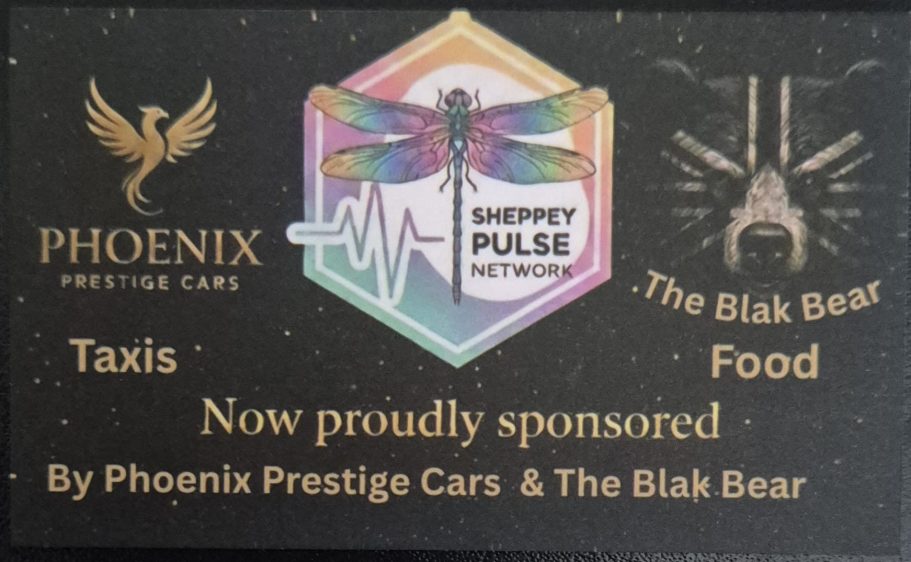
We are incredibly grateful to our two amazing new sponsors, The Blak Bear and Phoenix Prestige Cars, whose support has been phenomenal. The Blak Bear provided 85 hot meals to 25 families across the community, while Phoenix Prestige Cars are providing five £10 energy top-up vouchers to residents in need, running until 31st January 2026. Their objectives align perfectly with ours, and the communication and collaboration have been fantastic.
We warmly welcome any new sponsors who share our vision. By creating partnerships where both the charity and sponsor benefit, together we can make a bigger impact, strengthen community connections, and support even more people in need.
The Power of Community Connections
We were honoured to be invited to Minster Road Baptist Church to attend their carol service, where we shared who we are, what we do, and why community support matters. We were deeply touched to learn that the church would be making a donation to Sheppey Pulse Network — a wonderful example of how strong community connections help strengthen local support networks.
A Heartfelt Thank You to Our Residents
We would like to extend a special and heartfelt thank you to every resident who continues to support Sheppey Pulse Network. Whether through donations, volunteering, referrals, sharing our work, or simply believing in what we do — your ongoing support allows us to reach more people in need than we ever could alone. Community kindness is the foundation of everything we do, and without you, our impact would not be possible.
Looking Ahead to 2026: What’s Coming Next
As we move forward into 2026, we are proud to already have several initiatives in place aimed at strengthening support across Sheppey.
In April, we will be hosting a one-day community support event, bringing together services supporting mental health, violence against women and girls (VAWG), domestic abuse, homelessness, youth wellbeing, and potentially veteran support, all under one roof for one day only. This event is designed to make access to support easier, safer, and more connected. Full details including date, location, and time will be shared in due course via our Facebook page, so please keep an eye out for updates.
Our bra fundraising initiative is currently active, turning donated bras into vital funding for our charity work — a simple but impactful way to support community wellbeing while promoting recycling and sustainability.
We have also introduced a new referral system in partnership with ROAR, providing housewarming starter packs to residents moving into new homes as they rebuild and restart healthier lives. Please note, referrals for this support are made through ROAR only.
In addition, we have recently put out our donation posters for Easter, and we are already welcoming contributions to help us continue supporting families and individuals during the upcoming holiday period.
How You Can Support Sheppey Pulse Network
Your support makes a real, tangible difference. Whether through donations, volunteering, sponsoring, or simply sharing our work, every action helps us reach more people in need and strengthens the sense of community across Sheppey. Acts of kindness don’t just meet immediate needs — they build connection, restore dignity, and give hope to those who need it most.
If you’re interested in becoming a sponsor, donating items, or volunteering your time, please get in touch — together we can create stronger connections, more opportunities for support, and lasting change for families, children, and individuals in our community.
Moving Forward Together
Kindness is not just something we give — it is something that connects us. Supporting those who are less fortunate, recognising the strength it takes both to give and to receive, and standing together as a community are what make lasting change possible.
Thank you for being part of our journey, for choosing compassion, and for helping us continue to support those who need it most.
💙 Sheppey Pulse Network
Compassion in Action, Community at Heart
Festive period Nov 2025 to January 2026
Your Spirit
From Voices to Visions
Transforming Stories into Strength
Building a stronger community
SPN Supporting you, strengthening connections
We are dedicated to supporting our community. Work together to strengthen and empower you.